
As the aroma of sizzling vegetables fills the air, my kitchen transforms into a vibrant little corner of Korea. These Korean Vegetable Pancakes, or Yachaejeon, are not just snacks; they’re colorful culinary canvases where fresh veggies join forces in a crispy, golden embrace. Quick and simple to whip up, this dish turns your ordinary midweek meals into something extraordinary, while also being a fantastic way to sneak in more vegetables into your diet. Whether served as a light snack or a delightful side dish, these pancakes are sure to become a staple that pleases your palate and nourishes your spirit. Curious how to get that perfect crispy texture? Let’s dive into this mouthwatering journey together!
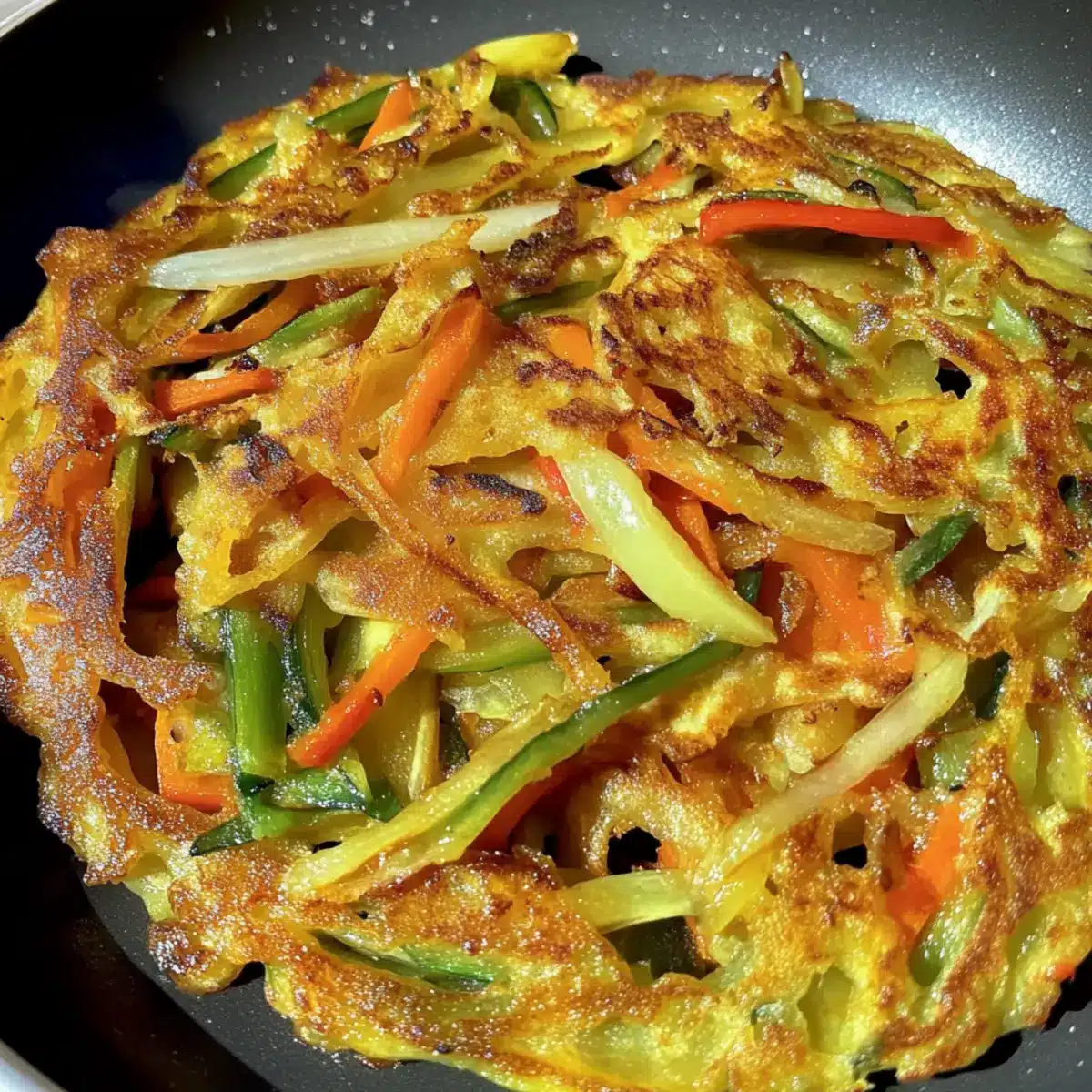
Why are Korean Vegetable Pancakes so irresistible?
Crispy texture: Each pancake delivers a satisfying crunch, providing a delightful contrast to the tender vegetables inside.
Vibrant colors: The mix of fresh veggies creates a visually stunning dish that’s as appealing to the eyes as it is to the taste buds.
Quick to prepare: Enjoy this dish in under 30 minutes, making it a fantastic option for busy weeknights.
Versatile ingredient options: Customize to your taste by adding your favorite vegetables, ensuring there’s something for everyone.
Flavor-packed dipping sauce: The homemade soy sauce dip enhances each bite, offering a burst of umami that will keep you coming back for more.
Healthy and nutritious: These pancakes are a delightful way to increase your vegetable intake while enjoying a guilt-free snack or side dish.
Korean Vegetable Pancakes Ingredients
• Let’s gather what we need for these delightful pancakes!
For the Batter
• Flour – Provides structure for the pancakes; can substitute with gluten-free flour blend.
• Cornstarch – Adds that irresistible crispiness to the batter.
• Water – Hydrates the dry ingredients; adjust as needed for batter consistency.
• Turmeric – Offers stunning color and a subtle flavor; optional for enhanced visual appeal.
• Salt – Enhances overall flavor and brings all the ingredients together.
• Baking Powder – Provides leavening, making the pancakes wonderfully fluffy.
For the Vegetables
• Green Onions – Add fresh flavor and a pop of color; cut short for even distribution.
• Red Onion – Adds sweetness and crunch when cooked; slice thinly for balance.
• Carrot – Contributes natural sweetness and crunch; cut into thin strips for quick cooking.
• Red Pepper – Delivers vibrant color and a hint of sweetness; sliced into strips.
• Cabbage – Increases texture and volume; cut into thin strips for even mixing.
• Hot Pepper – Infuses a kick of heat; finely chopped to spread the spice throughout.
For Frying
• Oil for Frying – Essential for cooking; choose a neutral oil such as vegetable or canola for frying.
For the Soy Dipping Sauce
• Soy Sauce – The base of the sauce, providing a savory umami flavor for the pancakes.
• Rice Vinegar – Adds acidity and brightness to balance the flavors.
• Toasted Sesame Seeds – Enhance texture and provide a delightful nutty flavor.
• Chili Flakes – Introduces a touch of heat to the dipping sauce.
• Sesame Oil – Imparts a rich, nutty flavor to elevate the entire dish.
Gather these ingredients and get ready to create your own delicious Korean Vegetable Pancakes!
Step‑by‑Step Instructions for Korean Vegetable Pancakes
Step 1: Prepare Vegetables
Begin by thoroughly washing and slicing your vegetables. Chop green onions, red onions, carrots, red pepper, cabbage, and any optional hot peppers into thin strips or small pieces to ensure even cooking. Set them aside in a bowl so they are ready to mix with the batter, adding that beautiful color and texture to your Korean Vegetable Pancakes.
Step 2: Make Batter
In a large mixing bowl, whisk together flour, cornstarch, turmeric, salt, baking powder, and just enough water to create a smooth, slightly thick batter. Aim for a consistency that will easily coat the vegetables without being runny; it should slowly drip off a spoon. This batter will be the foundation of your delicious Korean Vegetable Pancakes.
Step 3: Mix Vegetables
Carefully fold the sliced vegetables into the batter using a spatula or wooden spoon. Ensure that every piece is evenly coated, as this ensures a flavorful bite with each pancake. The mix of veggies will add both nutrients and vibrant colors, making your Korean Vegetable Pancakes visually appealing and nutritious.
Step 4: Prepare Dipping Sauce
While your batter sits, prepare the soy dipping sauce. In a small bowl, combine soy sauce, rice vinegar, toasted sesame seeds, chili flakes, and a drizzle of sesame oil. Stir until well-blended, adjusting the flavors to your preference. Set the dipping sauce aside; it will elevate each pancake with a delightful umami kick.
Step 5: Heat Pan
Place a non-stick frying pan over medium heat and add a generous amount of oil, swirling it to cover the bottom. Allow the oil to heat up until it shimmers, which indicates it is ready for frying. The right temperature ensures that your Korean Vegetable Pancakes achieve that golden, crispy exterior—something we all crave.
Step 6: Cook Pancakes
Spoon a portion of the batter into the hot oil, spreading it out gently into a thin circle about ¼ inch thick. Cook for around 3–4 minutes or until the edges are golden and crispy. Carefully flip the pancake using a spatula, cooking for another 3–4 minutes on the other side until it reaches that delightful, crunchiness. Repeat with remaining batter.
Step 7: Repeat
Continue the frying process with the remaining batter, adding more oil to the pan as needed to prevent sticking. Make sure to adjust the heat if necessary to keep the pancakes cooking evenly. This step allows you to create a delightful stack of Korean Vegetable Pancakes that everyone will enjoy.
Step 8: Serve
Once cooked, transfer the pancakes to a plate lined with paper towels to absorb any excess oil. Serve your Korean Vegetable Pancakes warm, accompanied by the savory soy dipping sauce. Enjoy these crispy, colorful delights with family and friends, making it a memorable meal that celebrates delicious homemade food!
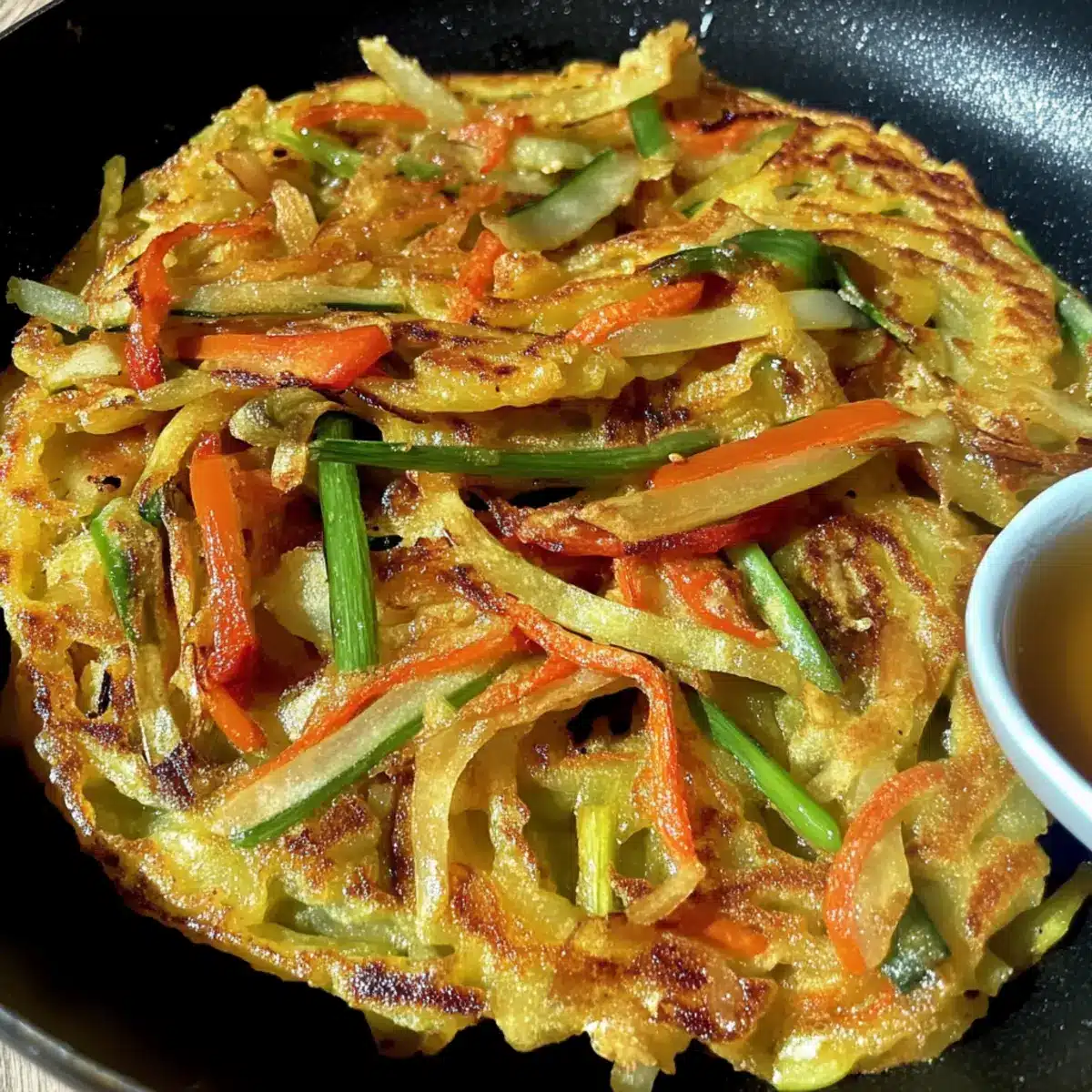
Expert Tips for Korean Vegetable Pancakes
-
Batter Consistency: Make sure the batter is thick enough to coat the vegetables but still pourable. If it’s too thin, your pancakes might fall apart during cooking.
-
Avoid Overcrowding: Fry in batches to keep the pan temperature consistent. Overcrowding can lead to soggy pancakes that lack that crispy texture.
-
Flip Gently: Use a wide spatula to flip the pancakes carefully. This will help prevent tearing and maintain the pancake’s shape.
-
Herb Additions: Fresh herbs like cilantro or basil can enhance flavor. Add a handful to the vegetable mixture for a fresh twist on traditional Korean Vegetable Pancakes.
-
Heat Control: Adjust the heat as you cook. If the pancakes brown too quickly, lower the heat to allow for even cooking throughout.
-
Storage Tip: If you have leftovers, store them in an airtight container in the fridge. To regain crispiness, reheat them in a hot skillet before serving.
What to Serve with Crispy Korean Vegetable Pancakes (Yachaejeon)
These delightful pancakes are the perfect centerpiece for a vibrant meal, inviting you to explore wonderful pairings that enhance every bite.
-
Fresh Green Salad: A light, zesty salad with a citrus vinaigrette adds freshness that balances the savory pancakes beautifully.
-
Steamed Rice: Fluffy, neutral rice serves as a perfect base, absorbing the flavors of the pancakes and dipping sauce for a comforting meal.
-
Spicy Kimchi: The tangy heat of kimchi lifts the dish, making each bite feel authentically Korean while adding a probiotic kick.
-
Miso Soup: Warm and comforting miso soup complements the pancakes, providing a soothing broth that enriches your dining experience.
-
Sautéed Greens: Lightly sautéed bok choy or spinach with garlic brings earthy notes to the table, enhancing the wholesome elements of the pancakes.
-
Savory Pickles: A side of crispy pickled vegetables offers a crunchy contrast to the soft pancakes, making for a delightful textural experience.
-
Beer or Soju: Pair with a crisp lager or a light soju to refresh your palate, enhancing the overall enjoyment of your colorful feast.
-
Fruit Dessert: Conclude your meal with a light fruit salad or sorbet, allowing the sweetness to cleanse your palate after the savory richness of the pancakes.
How to Store and Freeze Korean Vegetable Pancakes
Fridge: Store leftover Korean Vegetable Pancakes in an airtight container for up to 2 days. Place a paper towel in the container to absorb moisture, keeping them crispy.
Freezer: For longer storage, freeze cooked pancakes in a single layer on a baking sheet. Once frozen, transfer them to a freezer bag and store for up to 1 month.
Reheating: To reheat, place frozen pancakes directly in a hot skillet over medium heat. Cook for about 3–4 minutes on each side until crispy, or in the oven at 375°F for about 10–15 minutes.
Serving Tip: Enjoy them warm with the flavorful soy dipping sauce for a delicious snack or side dish experience!
Make Ahead Options
These Korean Vegetable Pancakes (Yachaejeon) are ideal for meal prep! You can chop the vegetables and make the batter up to 24 hours in advance, storing them separately in the refrigerator to maintain their freshness and prevent sogginess. When you’re ready to cook, simply mix the prepped vegetables into the batter and proceed with frying as directed. If you have leftovers, you can refrigerate them for up to 3 days; just reheat in a hot pan with a splash of oil to ensure they regain their crispiness. This way, you’ll enjoy restaurant-quality pancakes with minimal fuss on busy weeknights!
Korean Vegetable Pancakes Variations
Feel free to make these pancakes your own with fun twists and substitutions that cater to your taste buds!
-
Gluten-Free: Substitute all-purpose flour with a gluten-free flour blend for a celiac-friendly option.
-
Spice It Up: Add in a tablespoon of gochugaru (Korean red pepper flakes) for a spicy kick. It beautifully contrasts with the tender veggies and adds a depth of flavor.
-
Herb Infusion: Incorporate fresh herbs like dill or cilantro into your batter for a fragrant twist. It’ll bring freshness and an extra layer of taste!
-
Mushroom Medley: Mix in thinly sliced mushrooms such as shiitake or portobello for an earthy element. They’ll add a lovely umami flavor that complements the crispy pancakes perfectly.
-
Zucchini Boost: Grate zucchini and squeeze out excess moisture before mixing it into the batter. This adds extra nutrition and moisture to your pancakes.
-
Sweet Variation: Create a sweet version by swapping out some vegetables for finely shredded apples or carrots. Serve with a drizzle of honey for a delightful treat.
-
Nutritional Add-ins: Toss in some flaxseeds or chia seeds to boost fiber and nutrition. They mix well without altering the taste significantly.
Don’t forget, you can enjoy these Korean Vegetable Pancakes with a delicious dip or pair them with a fresh salad to create a complete meal!
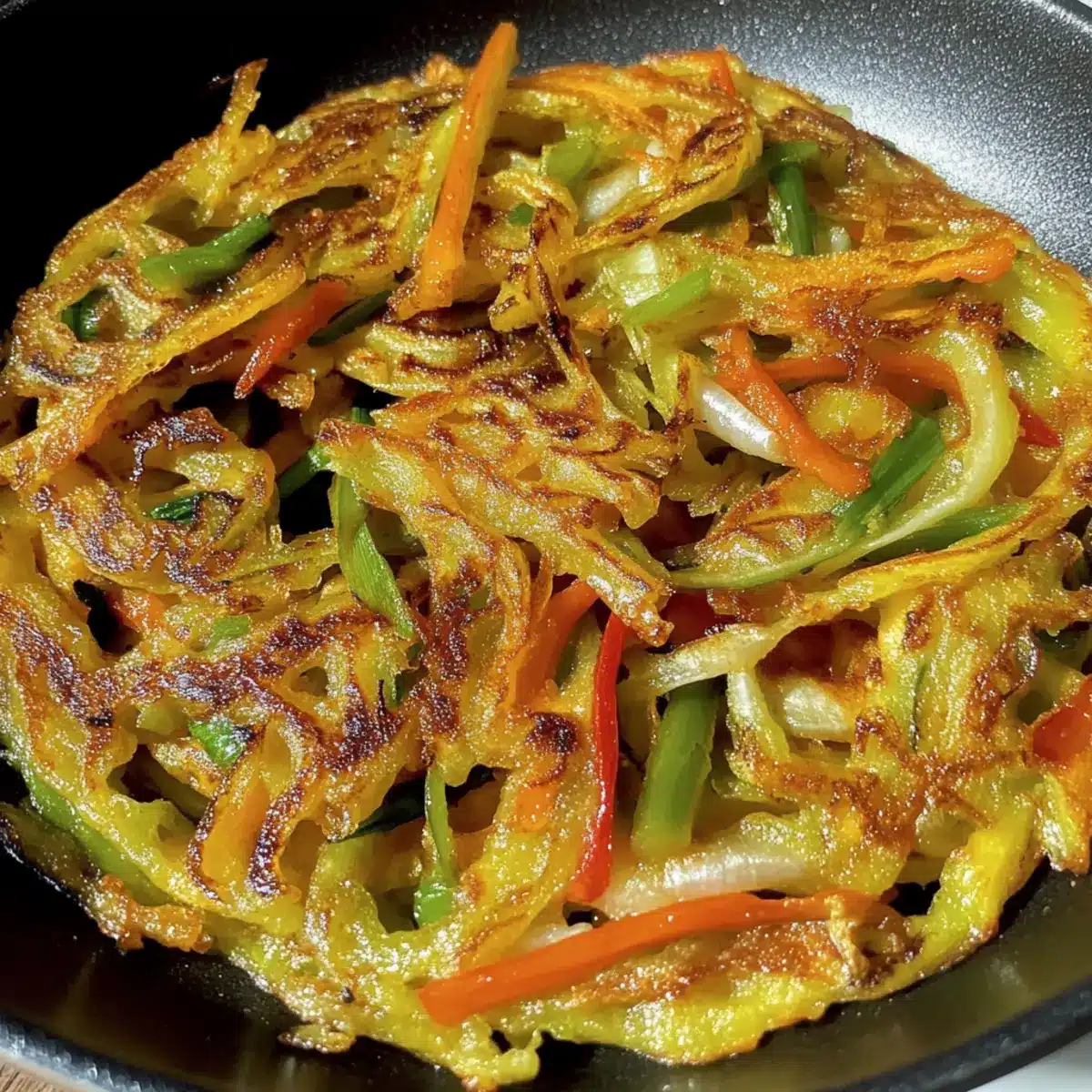
Korean Vegetable Pancakes (Yachaejeon) Recipe FAQs
What type of flour is best for Korean Vegetable Pancakes?
Absolutely! All-purpose flour works perfectly, but if you need a gluten-free option, I recommend using a gluten-free flour blend or rice flour. Both will still provide the structure you need while keeping the pancakes crispy and delicious.
How should I store leftover Korean Vegetable Pancakes?
For the best results, store leftover pancakes in an airtight container in the fridge. They will last for up to 2 days. To help maintain their crispiness, place a paper towel in the container to absorb any moisture. When you reheat them, use a skillet to regain that golden crunch!
Can I freeze Korean Vegetable Pancakes for later?
Yes, you can! To freeze, lay the pancakes in a single layer on a baking sheet and freeze them until solid. Then transfer the frozen pancakes to a freezer-safe bag and store them for up to 3 months. When you’re ready to enjoy them, heat directly from the freezer in a pan, cooking for about 3–4 minutes on each side.
What should I do if my pancake batter is too thick?
If your batter seems too thick for spreading, simply add a little more water, one tablespoon at a time, until it reaches a smooth, pourable consistency. A good reference is that it should easily coat the back of a spoon. This will help ensure that your pancakes turn out fluffy and light!
Are Korean Vegetable Pancakes safe for pets?
While these pancakes are packed with healthy ingredients, be cautious about sharing with pets. Onions, especially, can be toxic to dogs and cats. If you want to share a little snack with your furry friend, I recommend making a separate, onion-free version for them!
Can I use other vegetables in my Korean Vegetable Pancakes?
Very! The beauty of these pancakes lies in their versatility. Feel free to mix in other vegetables like zucchini, mushrooms, or even leafy greens based on your preference. Just make sure to cut everything into thin, even pieces so they cook thoroughly and evenly!
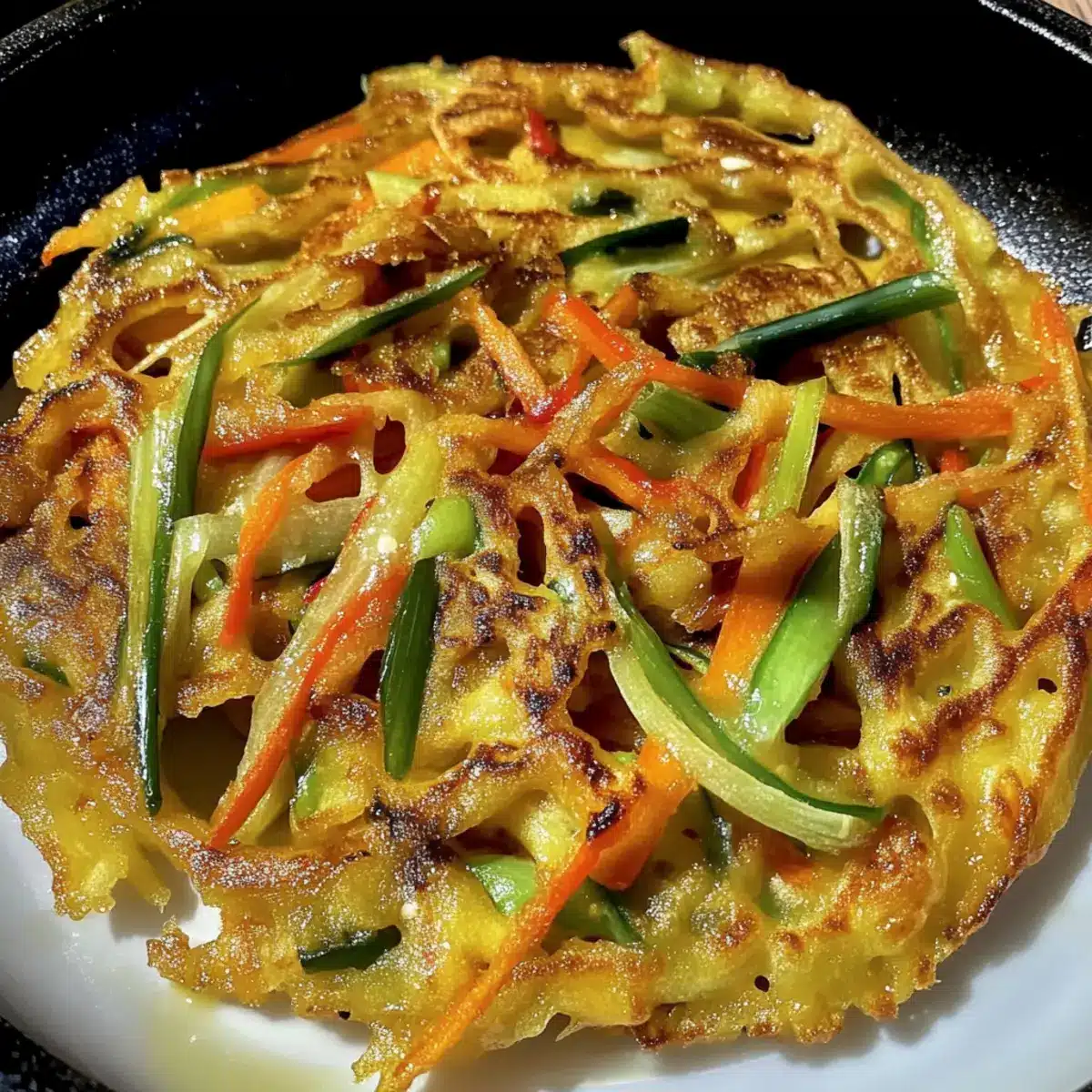
Crispy Korean Vegetable Pancakes for a Deliciously Healthy Snack
Ingredients
Equipment
Method
- Prepare Vegetables: Wash and slice green onions, red onions, carrots, red pepper, cabbage, and hot peppers into thin strips or small pieces.
- Make Batter: In a bowl, whisk together flour, cornstarch, turmeric, salt, baking powder, and enough water to create a smooth, slightly thick batter.
- Mix Vegetables: Fold the sliced vegetables into the batter until evenly coated.
- Prepare Dipping Sauce: In a small bowl, mix soy sauce, rice vinegar, toasted sesame seeds, chili flakes, and sesame oil.
- Heat Pan: Heat a non-stick frying pan over medium heat with oil until it shimmers.
- Cook Pancakes: Spoon batter into the hot oil to form thin circles and cook until golden, flipping halfway.
- Repeat: Continue frying remaining batter, adjusting heat to avoid overcrowding.
- Serve: Transfer cooked pancakes to a paper towel-lined plate and serve warm with dipping sauce.
Leave a Reply