
As I carefully sifted the delicate lavender petals into the mixing bowl, a wave of floral fragrance enveloped my kitchen, instantly transporting me to sun-drenched fields of blooming lavender. This Lavender Cake Recipe with Lavender Buttercream Frosting transforms any occasion into a captivating celebration, inviting everyone to take a moment and appreciate the beauty of home-baked goodness. With its tender, buttery crumb and the playful balance of floral sweetness, this cake is a delightful crowd-pleaser that’s also surprisingly easy to make. Whether you’re looking to elevate a casual afternoon or impress guests at a special event, this enchanting treat is sure to leave a lasting impression. Curious about how to make this exquisite culinary creation? Let’s dive into the simple, yet sophisticated steps that await!
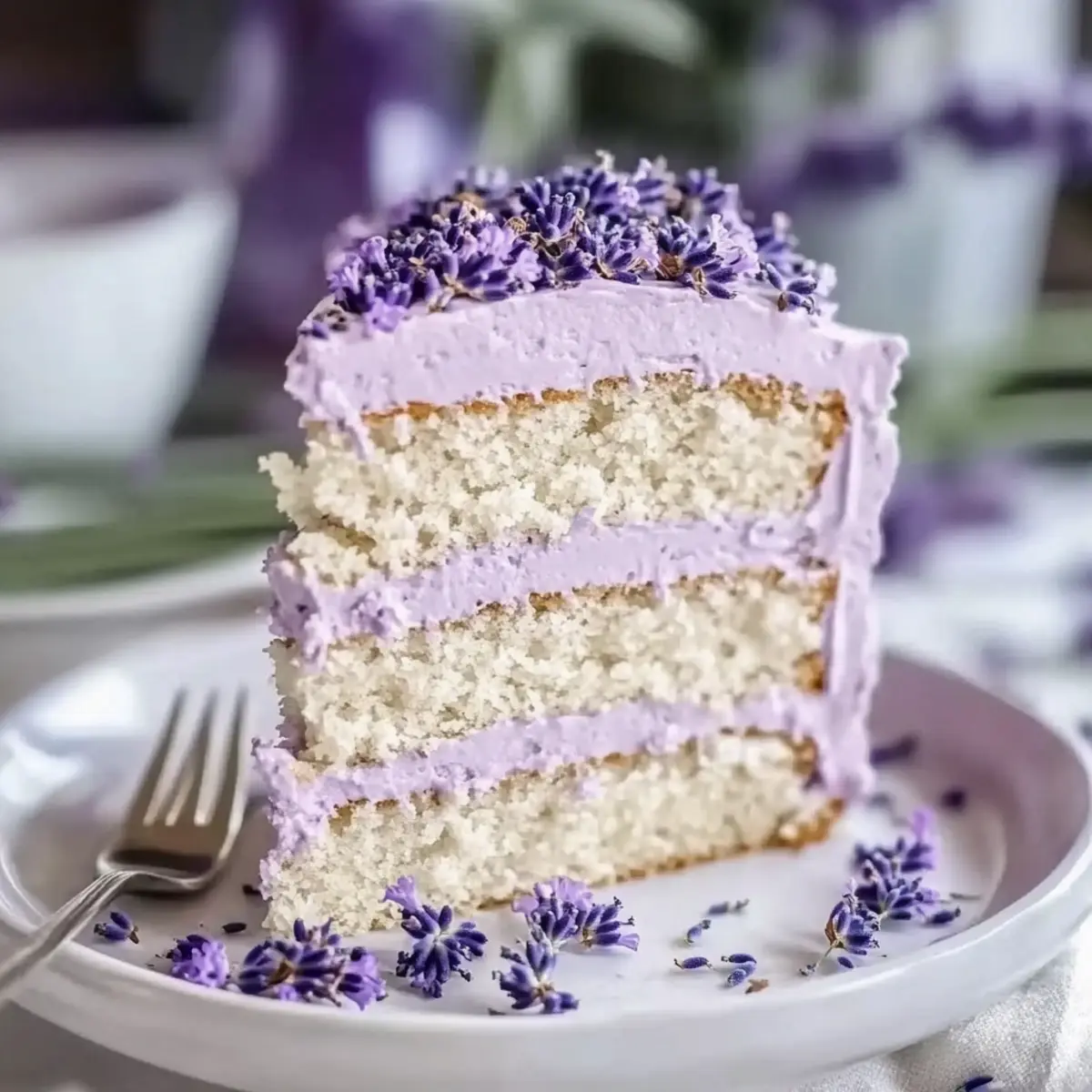
Why is Lavender Cake a must-try?
Unique flavor: This Lavender Cake brings an aromatic twist to classic desserts, enchanting both the senses and the taste buds.
Effortless elegance: Baking this cake is simple, ideal for both novice and seasoned bakers looking to impress.
Versatile occasion: Perfect for tea parties, celebrations, or as a delightful everyday treat, it’s a cake everyone will adore.
Impressive presentation: The beautiful layers, adorned with dreamy lavender buttercream, make it a showstopper on any dessert table.
Make it your own: Feel free to customize; try adding lemon zest for extra brightness or serve with a scoop of vanilla ice cream for a heavenly pairing!
Lavender Cake Ingredients
For the Cake
- Unsalted Butter – Adds richness and moisture to the cake; ensure it’s softened for easy mixing.
- Granulated Sugar – Sweetens the cake and helps create a tender crumb for that perfect texture.
- Eggs – Provide structure and richness; use room temperature eggs for even mixing.
- Egg Yolks – Add silkiness to the batter; make sure these are at room temperature too.
- Vanilla Extract – Enhances flavor, creating a delightful taste for this Lavender Cake recipe.
- All-Purpose Flour – The main structure-building ingredient essential for developing the cake’s gluten.
- Baking Powder – Acts as a leavening agent to help the cake rise perfectly.
- Dried Culinary Lavender – Imparts wonderfully floral notes; finely crush it to distribute flavor evenly.
- Salt – Balances sweetness and enhances overall flavor, bringing everything together.
- Buttermilk – Adds moisture and contributes to a tender crumb; use room temperature for the best results.
For the Simple Syrup
- Water – Essential for dissolving the sugar and creating your flavorful lavender syrup.
- Granulated Sugar – Works with water to create a floral syrup, enhancing moisture and flavor.
For the Buttercream Frosting
- Powdered Sugar – Used for the buttercream frosting; sifted for a smooth and fluffy consistency.
- Additional Lavender Simple Syrup – Mix in a bit more for an enchanting flavor, adjusting to your preference.
Each ingredient plays a critical role in crafting this exquisite Lavender Cake, making it a stunning centerpiece at any gathering!
Step‑by‑Step Instructions for Lavender Cake Recipe with Lavender Buttercream Frosting
Step 1: Preheat the Oven
Begin by preheating your oven to 350°F (177°C). While the oven warms up, grease and line two 8-inch round cake pans with parchment paper. This preparation ensures your Lavender Cake releases easily after baking, allowing for a beautifully smooth finish.
Step 2: Prepare the Dry Ingredients
In a medium bowl, whisk together 2 cups of all-purpose flour, 1 teaspoon of baking powder, 1 tablespoon of crushed dried culinary lavender, and ½ teaspoon of salt. This blend will not only contribute to the structure of your cake but will also ensure that the lavender flavor is evenly dispersed throughout the batter.
Step 3: Cream the Butter and Sugar
In a large mixing bowl, cream together ¾ cup of softened unsalted butter and 1 and ½ cups of granulated sugar until light and fluffy, about 3 to 5 minutes. This step is crucial as it incorporates air into the mixture, yielding a tender Lavender Cake. Then, add the eggs and egg yolks one at a time, along with 1 teaspoon of vanilla extract, mixing until just combined.
Step 4: Combine Wet and Dry Ingredients
Gradually alternate adding the dry ingredients with 1 cup of room temperature buttermilk to the butter mixture. Start and end with the dry mixture, mixing just until combined to avoid overmixing, which could lead to a tough cake. This delicate process ensures a moist and fluffy texture for your Lavender Cake.
Step 5: Bake the Cake
Divide the batter evenly between the prepared cake pans. Bake in the preheated oven for 25 to 30 minutes, or until a toothpick inserted into the center comes out clean. Keep an eye on the cakes; they should be golden and spring back when lightly pressed.
Step 6: Cool the Cakes
Allow the cakes to cool in their pans for about 10 minutes. After that, gently remove them from the pans and transfer to a wire rack to cool completely. This cooling step is vital for allowing the cake’s structure to set before frosting.
Step 7: Make the Lavender Simple Syrup
While the cakes are cooling, prepare the lavender simple syrup. In a small saucepan, combine ½ cup of water with ½ cup of granulated sugar and bring to a simmer over medium heat. Add 1 tablespoon of dried culinary lavender. Allow to steep for about 10 minutes, then strain and cool the syrup to infuse your cake with extra floral flavor.
Step 8: Prepare the Buttercream Frosting
In a mixing bowl, beat together 1 cup of softened unsalted butter until creamy. Gradually add in 4 cups of sifted powdered sugar, mixing until smooth. Incorporate 3 tablespoons of the cooled lavender syrup and an additional teaspoon of vanilla extract, blending until fluffy and spreadable for the Lavender Buttercream Frosting.
Step 9: Assemble and Frost the Cake
Once the cakes are completely cooled, brush the top of each layer with the lavender simple syrup. Place one layer on a serving plate, spread a generous amount of lavender buttercream on top, then stack the second layer on top. Frost the sides and top of the layered cake, creating a beautiful, inviting appearance before chilling briefly to set the frosting.
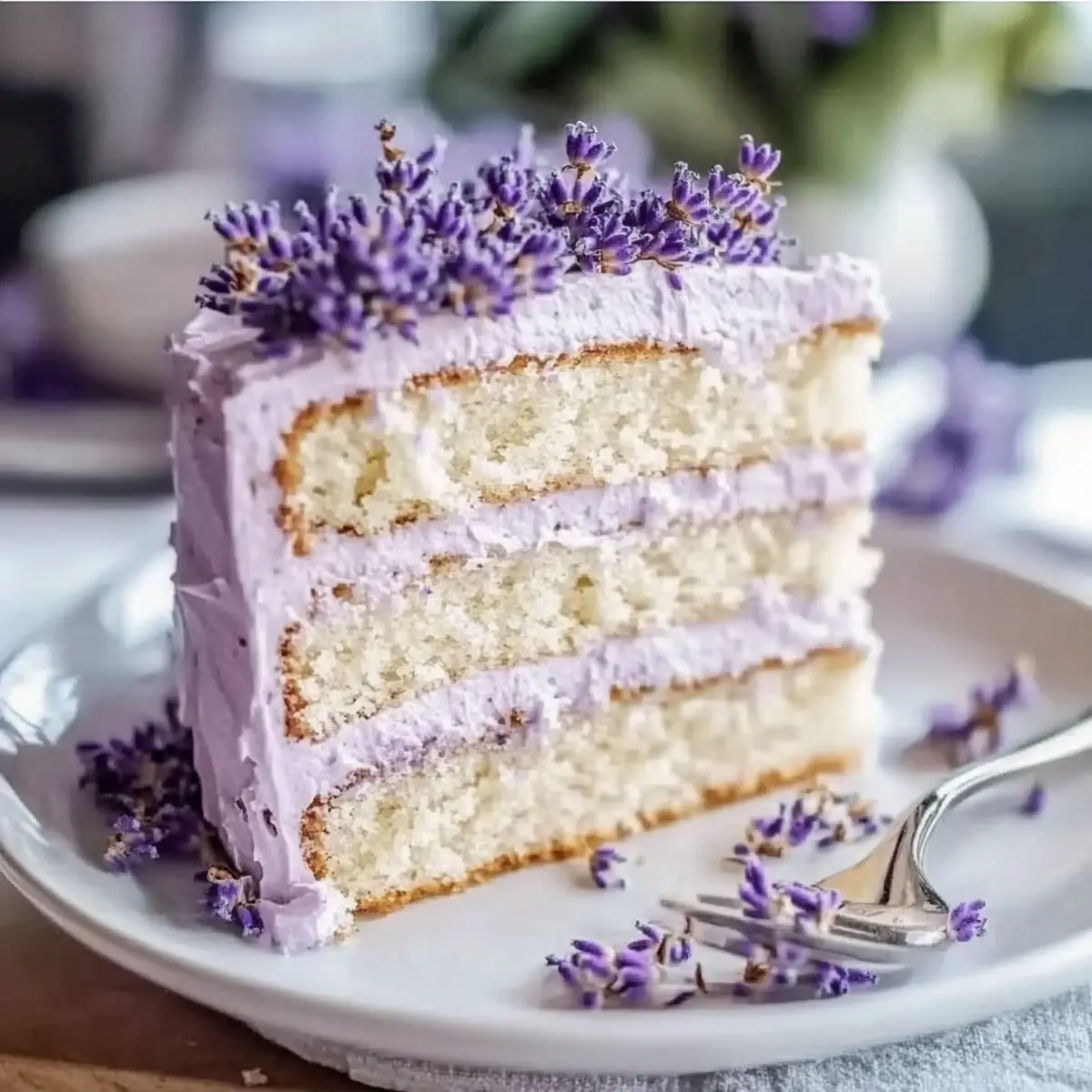
What to Serve with Lavender Cake with Lavender Buttercream Frosting
Indulging in a slice of this enchanting Lavender Cake isn’t just a treat—it’s an invitation to create a delightful meal experience that sings with sweetness and floral notes.
- Fresh Berries: A medley of strawberries, blueberries, and raspberries adds a burst of tartness, perfectly balancing the cake’s sweetness.
- Vanilla Ice Cream: Creamy and cool, a scoop of vanilla ice cream melts beautifully over warm cake, enhancing its floral medley.
- Herb-Infused Water: Refreshing cucumber and mint-infused water pairs lightly, complementing the lavender without overwhelming it.
- Lemonade: Bright and citrusy, a glass of homemade lemonade cuts through the richness of the cake, making for a refreshing sip.
- Chocolate Ganache: Drizzling rich chocolate ganache adds a decadent touch, creating a delightful contrast with the floral flavors.
- Tea: A nice Earl Grey or chamomile tea enhances the cake’s aromatic charms, turning a simple slice into a cherished moment.
This stunning array of pairings ensures your experience with this Lavender Cake is not only memorable but simply divine!
Make Ahead Options
These Lavender Cake with Lavender Buttercream Frosting are perfect for busy home cooks looking to save time! You can prepare the cake layers up to 3 days in advance by baking them and allowing them to cool completely. Wrap each unfrosted layer tightly in plastic wrap and refrigerate to maintain moisture and freshness. The lavender simple syrup can also be made ahead and stored in the fridge for up to 1 week. When you’re ready to serve, simply assemble the cake by brushing the layers with the syrup, adding the buttercream frosting, and chilling for about 30 minutes to set. You’ll have a stunning dessert ready with minimal last-minute effort!
Expert Tips for Lavender Cake
-
Room Temperature Ingredients: Ensure eggs and buttermilk are at room temperature for better incorporation, leading to a fluffier Lavender Cake.
-
Don’t Overmix: Mix the batter just until combined to avoid overdevelopment of gluten, which can result in a tough cake.
-
Adjust Syrup Strength: Start with 2 tablespoons of lavender syrup in the buttercream; this allows you to control the floral intensity in your Lavender Cake.
-
Proper Cooling: Let the cakes cool completely on a wire rack before frosting to ensure the Lavender Buttercream sets properly.
-
Chill for Smooth Finish: After frosting, chill the cake briefly to firm up the buttercream, which makes smoothing the final layer easier.
Lavender Cake Recipe Variations
Feel free to explore these delightful twists on the classic lavender cake, adding your personal touch to this floral masterpiece!
-
Citrusy Delight: Add lemon zest to the cake or frosting for a bright, tangy contrast. The lively citrus notes beautifully complement the lavender, creating a refreshing flavor balance.
-
Herbaceous Twist: Substitute dried rosemary for lavender to create a fragrant herbal cake. This variation introduces an aromatic richness that pairs wonderfully with the buttercream frosting.
-
Nutty Flavor: Incorporate almond flour into the batter for added depth. The subtle almond flavor will enhance the overall taste, making each bite both delicate and nutty.
-
Chocolate Surprise: Fold in mini chocolate chips into the batter before baking for a delightful surprise. The sweet, melting chocolate pairs wonderfully with the floral notes, creating a rich and indulgent treat.
-
Spiced Bliss: Add a pinch of cinnamon or cardamom to the buttercream for a warm, cozy twist. These spices provide a lovely contrast to the floral sweetness, elevating the entire cake experience.
-
Heavenly Cream Cheese Frosting: For a richer alternative, swap out the buttercream for cream cheese frosting. This tangy twist harmonizes with the floral notes of lavender, creating a delightful flavor profile.
-
Vegan Option: Substitute eggs with flaxseed meal mixed with water and use a plant-based butter for a vegan version. This version maintains a delightful texture while ensuring that everyone can enjoy this sweet treat.
-
Fruity Additions: Top your finished cake with fresh berries like raspberries or blueberries. The tartness of the berries complements the sweetness of the cake, making each slice a burst of flavor.
If you’re looking for more floral sweets, you might also enjoy crafting a delightful Pie Dump Cake or savoring a light and refreshing Grilled Zucchini and Feta Chickpea Wrap with Herbed Yogurt! Each variation evokes its own flavor profile while still maintaining that enchanting essence of lavender; so don’t hesitate to get creative!
How to Store and Freeze Lavender Cake
Fridge: Store wrapped Lavender Cake in the refrigerator for up to 5 days. This helps maintain its moisture and flavor while the floral notes continue to develop.
Freezer: If you have leftover cake, unfrosted layers can be frozen for up to 2 months. Wrap each layer tightly in plastic wrap and aluminum foil to prevent freezer burn.
Reheating: To enjoy your cake again, thaw in the refrigerator overnight. Reheat slices in the microwave for about 10-15 seconds for a warmed, delightful treat.
Room Temperature: If you prefer, you can keep the frosted Lavender Cake at room temperature for up to 2 days; just cover it with a cake dome or foil to prevent drying out.
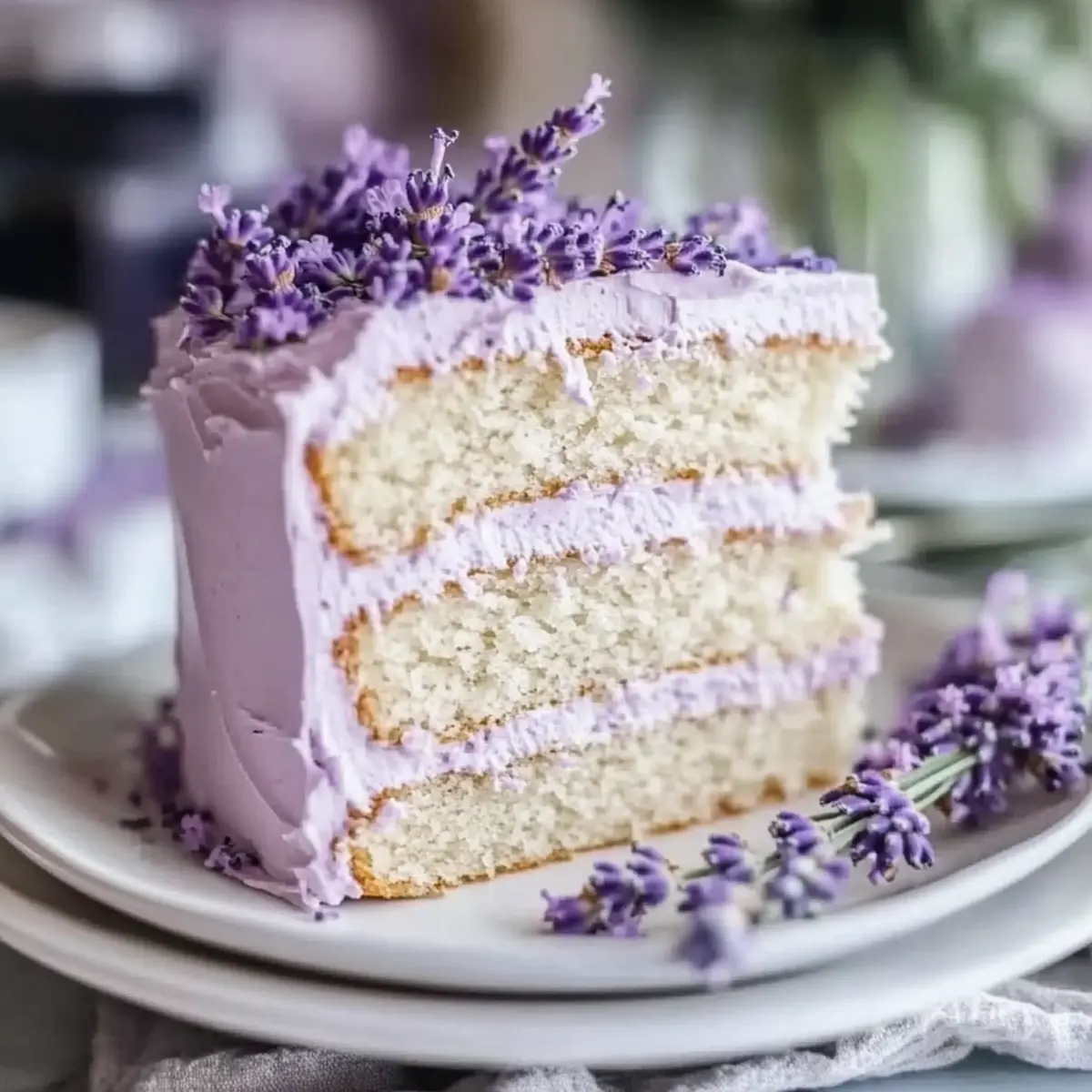
Lavender Cake with Dreamy Lavender Buttercream Frosting Recipe FAQs
What is the best way to select lavender for this cake?
Absolutely! When selecting lavender, choose culinary-grade dried lavender flowers, known for their aromatic flavor. Look for vibrant purple flowers that smell fresh and floral. Avoid lavender with dark spots or an off-putting aroma, as it may not flavor your cake well.
How should I store the Lavender Cake?
I recommend wrapping the cake securely in plastic wrap or foil and storing it in the refrigerator for up to 5 days to maintain its moisture and flavor. For unfrosted layers, they can be frozen safely for up to 2 months – just ensure they are well-wrapped to prevent freezer burn.
Can I freeze the Lavender Cake layers for later use?
Yes, you can! For the best results, wrap each unfrosted layer tightly in plastic wrap, followed by aluminum foil. This method helps preserve the texture and flavor. When you’re ready to enjoy the cake, thaw the layers overnight in the refrigerator. After thawing, let them sit at room temperature for a short while before frosting.
What should I do if my cake turns out dense?
Very! If your Lavender Cake comes out dense, it might be due to overmixing the batter. To prevent this, mix the wet and dry ingredients just until they’re combined, which will help avoid developing too much gluten. Ensure your eggs and buttermilk are at room temperature for better incorporation, yielding a lighter texture.
Is this Lavender Cake safe for pets or people with allergies?
Always be careful! While the cake itself is not toxic to pets, it’s best to avoid sharing chocolate, vanilla, or sugary foods with them. As for allergies, check for any specific sensitivities to ingredients like eggs, dairy, or nuts in your guests. Dried lavender is generally safe but always confirm with individuals about dietary restrictions before serving.
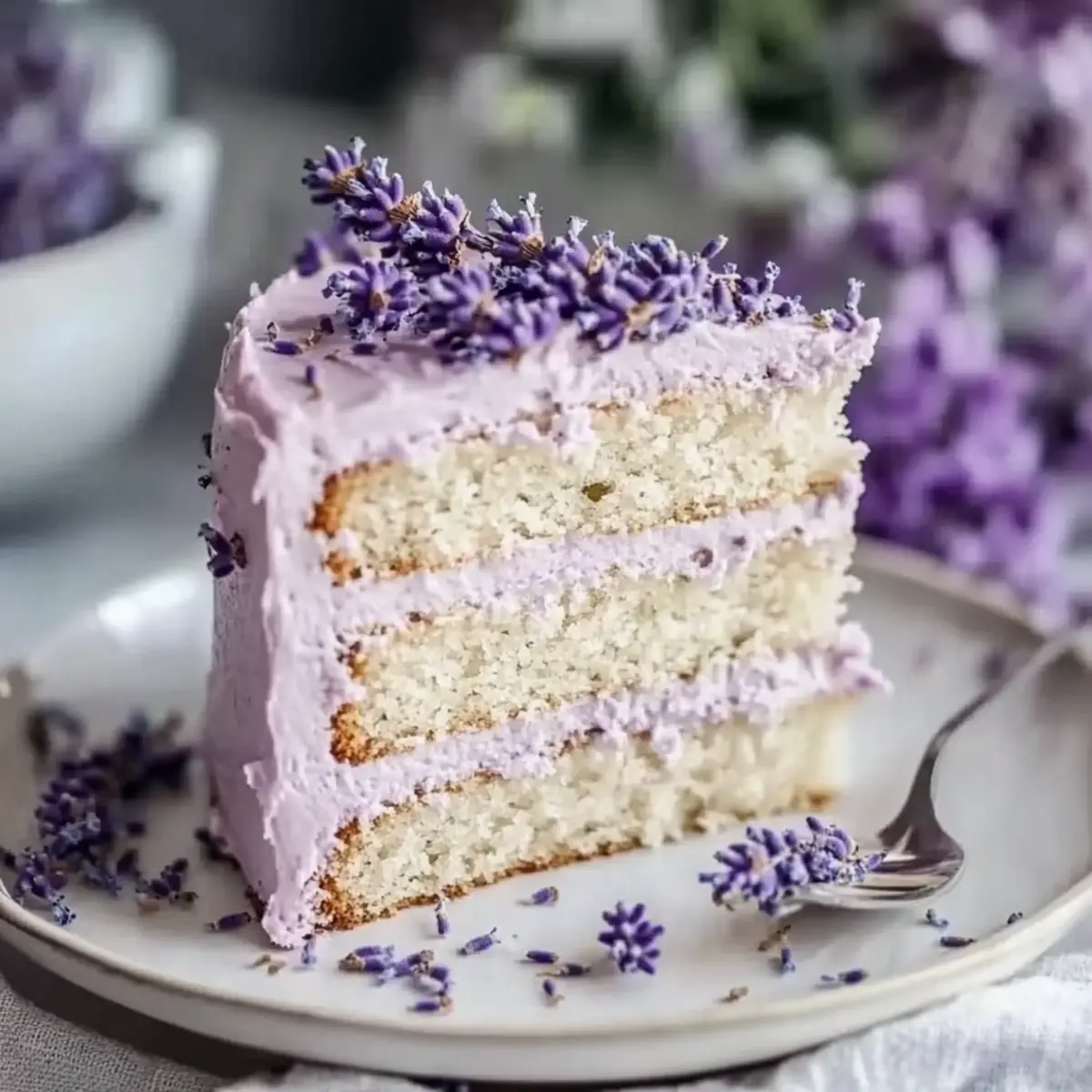
Lavender Cake Recipe with Dreamy Lavender Buttercream Frosting
Ingredients
Equipment
Method
- Preheat the oven to 350°F (177°C). Grease and line two 8-inch round cake pans with parchment paper.
- In a medium bowl, whisk together the dry ingredients: flour, baking powder, crushed lavender, and salt.
- Cream together the butter and sugar until light and fluffy, then add the eggs, egg yolks, and vanilla extract.
- Gradually add the dry ingredients and buttermilk to the butter mixture, starting and ending with the dry ingredients.
- Divide the batter into the prepared pans and bake for 25 to 30 minutes, or until a toothpick comes out clean.
- Allow the cakes to cool in the pans for 10 minutes, then remove and cool completely on a wire rack.
- Prepare the lavender simple syrup by simmering water and sugar, then add crushed lavender and steep.
- Beat softened butter, add powdered sugar and lavender syrup to make the frosting.
- Assemble the cake by layering, frosting between each layer and on the top and sides. Chill briefly to set.
Leave a Reply