
As I gazed at the remnants of last night’s leftovers, a thought struck me: breakfast deserves just as much creativity as dinner. Enter French Baked Eggs, or oeufs cocotte—a dish that transforms simple ingredients into pure elegance in mere minutes. This delightful recipe is not only incredibly easy to whip up but also offers endless opportunities for personalization, making it the perfect fit for any chef craving something unique and satisfying. With their creamy texture and rich flavor, these baked eggs can elevate your brunch game, turn a quiet morning into something special, or provide a comforting meal any time of day. Ready to impress your tastebuds and your guests? Let’s dive into the irresistible world of French Baked Eggs!
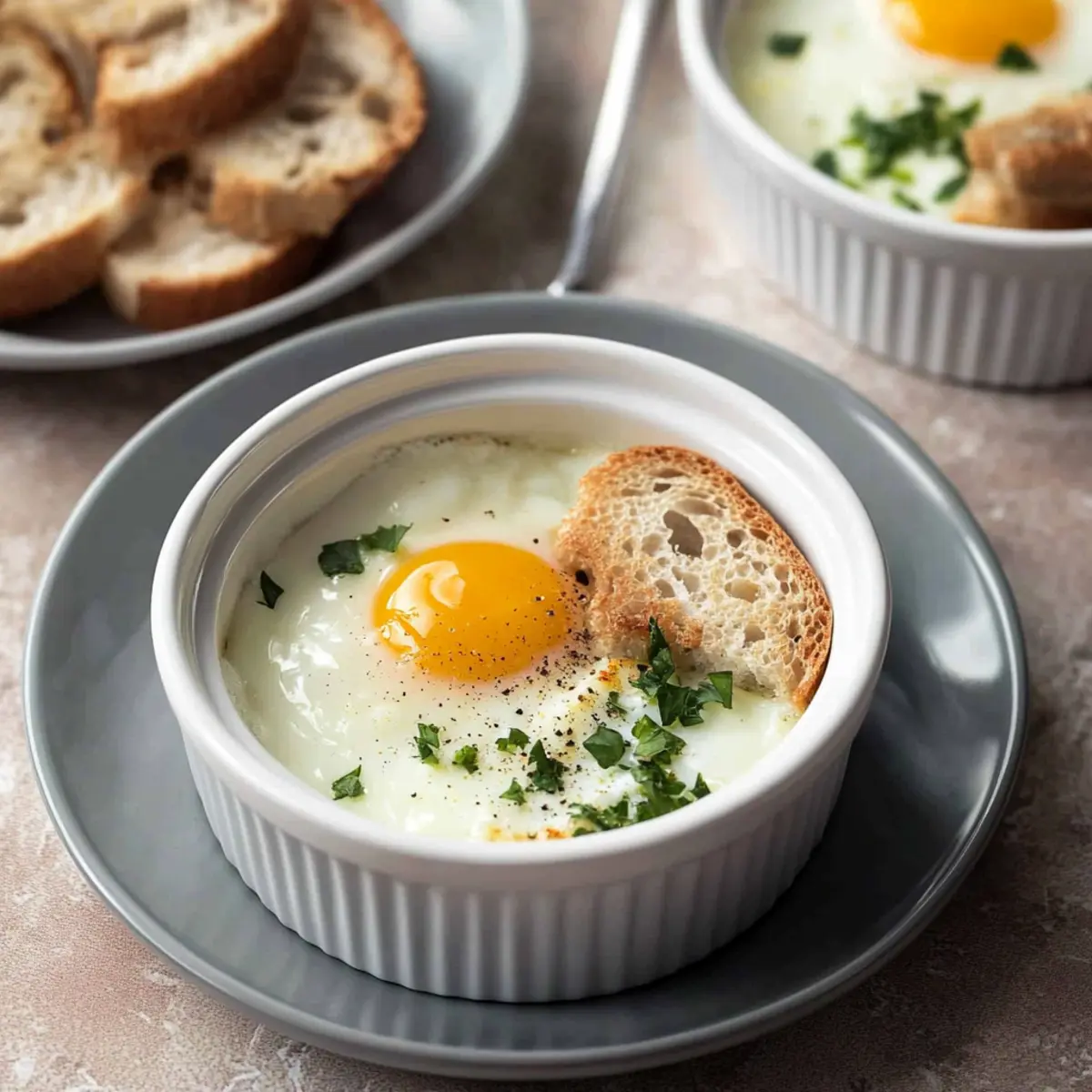
Why are French Baked Eggs a must-try?
Simplicity, These French Baked Eggs require minimal effort, making them the perfect quick meal for any occasion. Versatile, Customize the dish to your taste—swap in your favorite cheeses or add sautéed vegetables like spinach or mushrooms for an extra flavor boost. Creamy texture that rivals poached eggs, elevating your brunch experience effortlessly. Elegant presentation, Serve them hot in individual ramekins, and you have a stunning dish that impresses guests. Crowd-pleaser, It’s a delightful choice for family gatherings, guaranteeing everyone leaves the table satisfied. Try pairing these with Oven Baked Sweet for a complete breakfast spread!
Ingredients for French Baked Eggs
• Elevate your meal with these simple staples!
For the Ramekins
- Butter – Adds richness and prevents sticking; use olive oil for a dairy-free option.
- Crème Fraîche or Heavy Cream – Contributes creaminess and flavor; swap with full-fat yogurt for a tangy twist.
For the Eggs
- Large Eggs – The star ingredient offering protein and texture; use the freshest eggs for optimal results.
- Fresh Goat Cheese – Enhances the dish with creaminess and tang; feta or any soft cheese can also work.
For Flavoring
- Chives and Parsley – Provide freshness and a burst of flavor; feel free to substitute with other herbs like oregano or thyme.
- Salt and Pepper – Essential for seasoning; adjust according to your personal taste.
Make these French Baked Eggs your go-to for an impressive meal that’s all about comfort and customization!
Step‑by‑Step Instructions for French Baked Eggs
Step 1: Preheat the Oven
Begin by preheating your oven to 350°F (175°C). While the oven is heating, fill a kettle with water and bring it to a boil. This hot water will create a gentle steam environment for the baking process, ensuring the French Baked Eggs cook evenly and remain tender.
Step 2: Prepare the Ramekins
Next, take four 4-5 ounce ramekins and generously grease the insides with softened butter. This step is crucial to prevent sticking and allows for easy serving. If you’re avoiding dairy, feel free to substitute the butter with olive oil for a delightful alternative.
Step 3: Add the Cream
In each greased ramekin, spoon in about two tablespoons of crème fraîche, heavy cream, or full-fat yogurt. Distributing it evenly will provide a rich, creamy base for your French Baked Eggs. The cream should coat the bottom generously for the best flavor and texture.
Step 4: Crack the Eggs
Carefully crack one large egg into each ramekin, taking care not to break the yolk. The beauty of the French Baked Eggs lies in the intact, golden yolk that will create a luscious sauce when baked. Ensure the whites surround the yolk – this will set beautifully during cooking.
Step 5: Season and Add Cheese
Sprinkle crumbled fresh goat cheese, a pinch of salt, and freshly ground pepper on top of the eggs in each ramekin. The cheese will melt and enhance the dish’s flavor while the seasoning elevates the overall taste, allowing the delicious elements of your French Baked Eggs to shine.
Step 6: Prepare the Water Bath
Place all the ramekins into a large baking dish. Carefully pour the hot water from the kettle into the baking dish until it reaches halfway up the sides of the ramekins. This water bath technique provides gentle heat, ensuring that your eggs cook evenly and achieve that perfect creamy consistency.
Step 7: Bake the Eggs
Transfer the baking dish to the preheated oven and bake your French Baked Eggs for 14-16 minutes for runny yolks or 16-18 minutes for softly set yolks. Keep an eye on the eggs; they should have softly set whites but remain a bit wobbly in the middle. Adjust baking time based on your prefered doneness.
Step 8: Serve Immediately
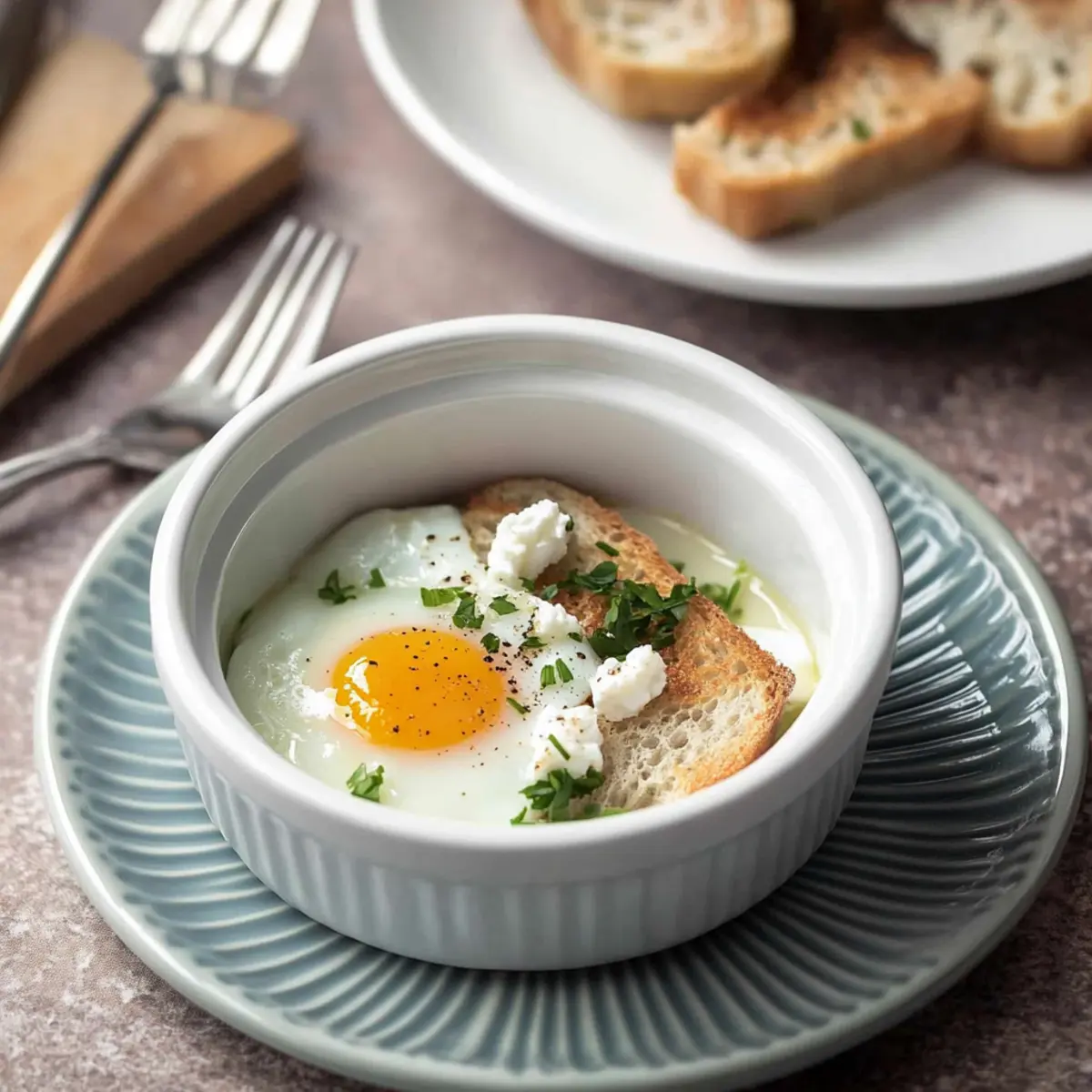
Once done, carefully remove the ramekins from the oven, taking care not to splash any hot water. Serve the French Baked Eggs immediately in their ramekins, ideally accompanied by toasted gluten-free bread cut into batons for delicious dipping.
Make Ahead Options
These French Baked Eggs are a fantastic option for meal prep, making mornings so much easier! You can prepare the ramekins with crème fraîche, cream (or yogurt), and cheese up to 24 hours in advance; simply cover them tightly with plastic wrap and refrigerate. For the best results, crack the eggs just before baking to maintain optimal freshness and prevent the whites from becoming watery. When you’re ready to serve, preheat your oven, place the ramekins in a water bath, and bake for 14-18 minutes, depending on your preferred yolk consistency. This way, you’ll enjoy delicious, homemade French Baked Eggs with minimal effort on busy days!
What to Serve with Easy French Baked Eggs?
Indulge in a delightful meal experience that tantalizes the tastebuds and warms the heart.
-
Crusty Gluten-Free Bread: Perfect for dipping into the creamy yolk, this bread adds a satisfying crunch to every bite.
-
Mixed Green Salad: A light and refreshing side, this salad introduces crisp textures and a splash of color for balance.
-
Roasted Asparagus: The earthy flavor of perfectly roasted asparagus complements the richness of the baked eggs beautifully.
-
Sautéed Spinach: Not only does this add a pop of vibrant green, but the iron-rich spinach enhances the dish’s nutritional profile.
-
Herbed Quinoa: Its fluffy texture and hearty flavor turn your meal into a wholesome feast that pairs perfectly with the eggs.
-
Sparkling Water with Lemon: A refreshing drink option that cleanses the palate, elevating your culinary experience with a hint of zest.
-
Fruit Tart: For a sweet finish, a light fruit tart brings a delightful contrast to the richness of the eggs, making it a splendid ending.
Each of these pairings enhances the charm of French Baked Eggs, creating a full and fulfilling meal that feels special, any day!
Expert Tips for French Baked Eggs
-
Egg Freshness: Always use the freshest eggs possible; they enhance the flavor and create the best texture in your French Baked Eggs.
-
Avoid Overbaking: Keep a close eye on the eggs towards the end of the baking time to prevent overcooking and ensure the yolks remain runny, if that’s your preference.
-
Customize Wisely: Feel free to customize your dish with ingredients you love, but ensure that any additional vegetables are pre-cooked and moisture-free to avoid sogginess.
-
Water Bath Technique: Ensure the water bath is freshly boiled but not bubbling when you place the ramekins in, as this can affect the uniform cooking of the eggs.
-
Serve Hot: French Baked Eggs are best enjoyed immediately after baking, so have your toast ready to dip right alongside your ramekins.
French Baked Eggs Variations
Feel free to unleash your creativity and personalize your French Baked Eggs however you desire!
-
Vegetable Boost: Add sautéed spinach, mushrooms, or zucchini in the ramekins prior to adding the egg for extra nutrition and flavor. These bright veggies not only enhance taste but also add a pop of color to your dish.
-
Cheese Swap: Experiment with different cheeses like sharp cheddar, creamy brie, or even mozzarella to tweak the flavor profile. Each cheese brings its unique character, ensuring something special for everyone at the table.
-
Herbs Galore: Try using fresh thyme, tarragon, or dill instead of chives and parsley for an aromatic twist. Play with the herb combinations to complement your taste buds and elevate this dish.
-
Spicy Kick: Add a dash of red pepper flakes or some diced jalapeños for a hint of heat. It balances the creaminess beautifully, making it a delightful option for those who love a little spice.
-
Dairy-Free Delight: Swap crème fraîche or heavy cream with coconut milk or a dairy-free yogurt alternative for a vegan-friendly version. You’ll still achieve that creamy texture while keeping it plant-based.
-
Umami Upgrade: Try mixing in a spoonful of pesto or sun-dried tomatoes into the crème fraîche for a burst of flavor. These additions will add depth to your baked eggs like never before.
-
Savory Crust: Top the ramekins with gluten-free breadcrumbs or crushed crackers before baking for a delightful crunch. You’ll enjoy different textures that contrast delightfully with the soft eggs.
Where you personalize, it’s easy to create a spread. Pair these with some French Onion Soup or enjoy alongside some warm Baked Italian Sub for a hearty brunch! The choice is yours, and your kitchen is your canvas!
How to Store and Freeze French Baked Eggs
Fridge: Store leftovers in an airtight container for up to 3 days. To retain their creamy texture, reheat gently in the microwave or oven.
Freezer: It’s best to avoid freezing French Baked Eggs due to the risk of texture changes, but if necessary, freeze in individual portions. Thaw in the fridge overnight before reheating.
Reheating: Gently reheat in a 350°F (175°C) oven for about 10-15 minutes, adding a splash of cream to maintain moisture and creaminess.
Tip: For best results, enjoy these French Baked Eggs fresh right out of the oven, as they deliver the most exquisite flavor and texture!
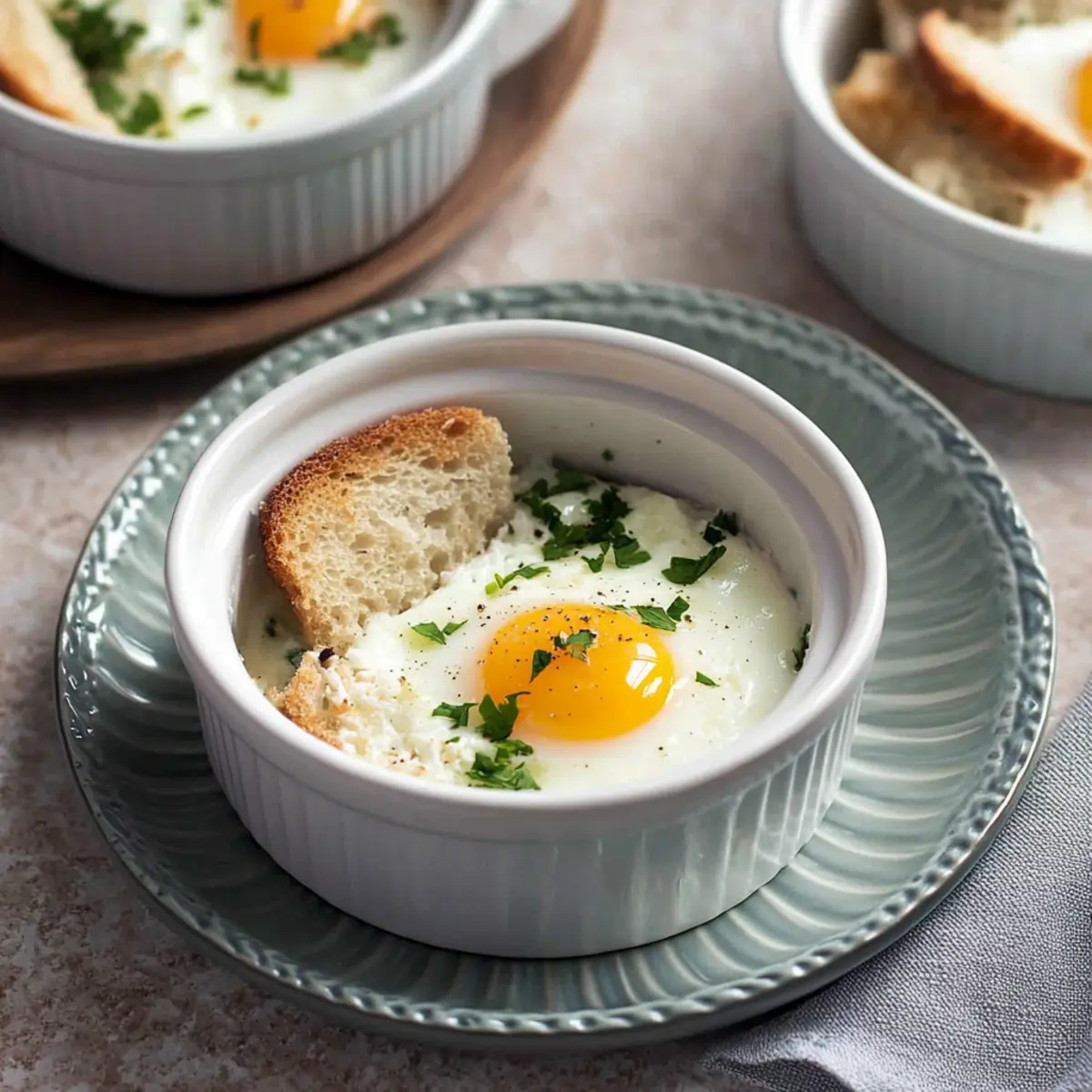
French Baked Eggs Recipe FAQs
What is the best way to select eggs for this recipe?
Absolutely! For the best results, look for farm-fresh eggs that are vibrant and have unblemished shells. Fresh eggs will create a creamier texture and richer flavor in your French Baked Eggs, so check for a sell-by date that is as recent as possible. Organic or free-range eggs are also great options for added flavor.
How should I store leftovers of French Baked Eggs?
You can store any leftovers in an airtight container in the refrigerator for up to 3 days. When you’re ready to enjoy them again, gently reheat in the microwave or a 350°F oven for about 10-15 minutes. For optimal texture, add a splash of cream while reheating to keep them creamy and delicious!
Can I freeze French Baked Eggs?
It’s best to avoid freezing French Baked Eggs due to potential texture changes in the eggs. However, if you must, freeze them in individual portions after they’ve cooled completely. When ready to eat, thaw in the fridge overnight, then reheat gently in the oven at 350°F for 10-15 minutes. Keep an eye on them to avoid overcooking.
What if I want to add vegetables to my French Baked Eggs?
Very good idea! To successfully add vegetables like spinach or mushrooms, sauté them beforehand to remove excess moisture. Place a layer of these pre-cooked veggies in the ramekins before adding the cream and the eggs. Simply follow the same baking instructions afterward!
Are there any dietary considerations to keep in mind?
Absolutely! If you’re cooking for someone with lactose intolerance, feel free to substitute the butter, cream, or cheese with dairy-free alternatives, such as olive oil, coconut cream, or nutritional yeast. Additionally, ensure to double-check any allergies to herbs or specific ingredients, but this dish is naturally vegetarian and gluten-free.
How do I know when my French Baked Eggs are done?
To achieve the perfect consistency, keep an eye on your eggs towards the end of the baking time. For runny yolks, aim for 14-16 minutes, and for a softer yolk, 16-18 minutes is ideal. The whites should be softly set and the yolk should still jiggle slightly—this is the golden mark of perfectly baked French Baked Eggs!
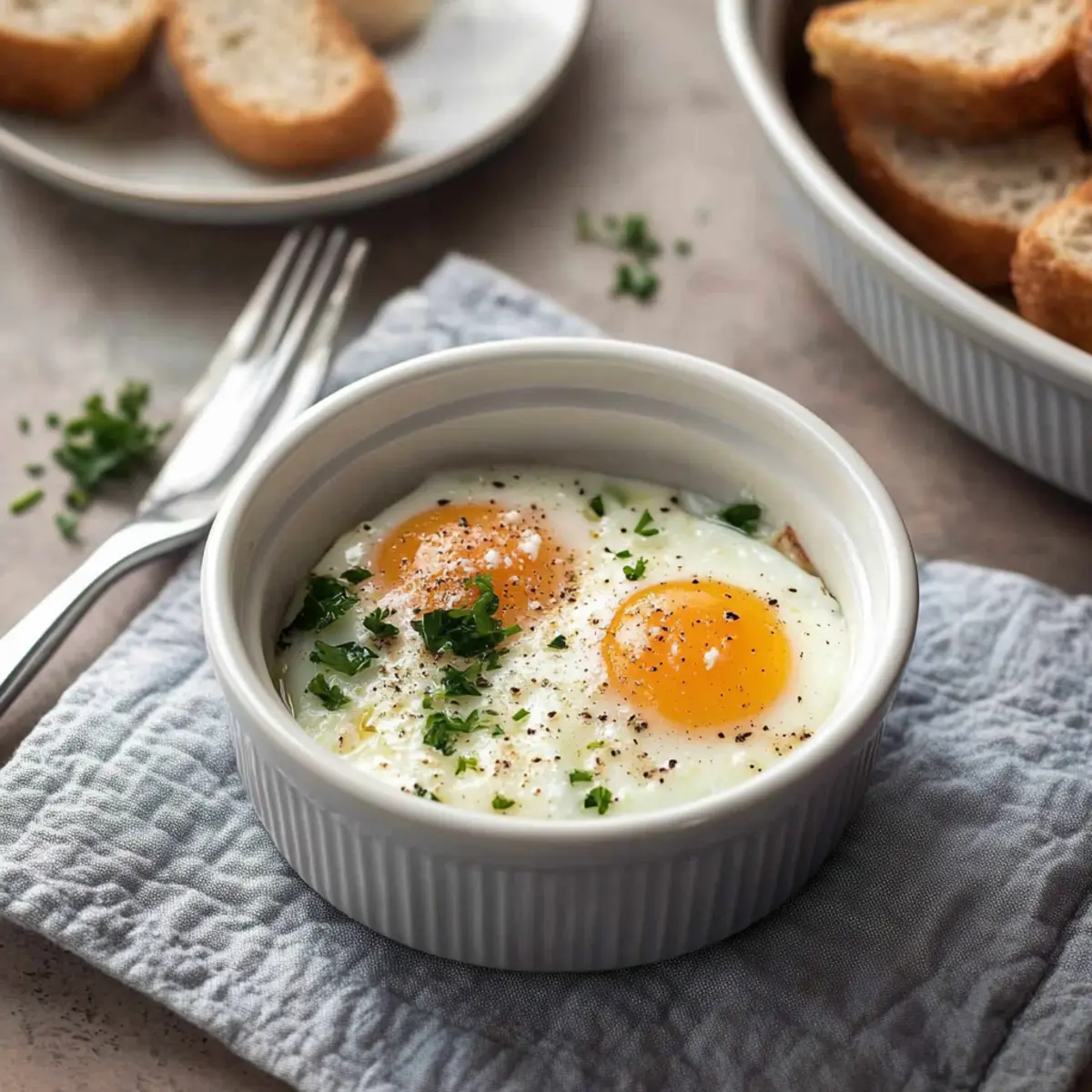
Irresistible French Baked Eggs for a Cozy Home Brunch
Ingredients
Equipment
Method
- Preheat your oven to 350°F (175°C) and boil water in a kettle.
- Grease four 4-5 ounce ramekins with softened butter or olive oil.
- Spoon about two tablespoons of crème fraîche or heavy cream into each ramekin.
- Crack one large egg into each ramekin without breaking the yolk.
- Sprinkle crumbled fresh goat cheese, salt, and pepper on each egg.
- Place the ramekins in a baking dish and fill with hot water halfway up the sides.
- Bake in the preheated oven for 14-16 minutes for runny yolks or 16-18 for softly set yolks.
- Carefully remove from the oven and serve immediately in the ramekins.
Leave a Reply